
How to Spend 1 Day Exploring Ubud Temples Culture and Waterfalls


Many Ubud itineraries focus on quick photo stops. You visit a rice terrace, take a few pictures at a temple, see a waterfall, and move on before understanding much about the places in front of you.
A well-planned Ubud temple tour can offer something more considered. The Ubud Temple and Waterfall Tour combines Batuan Temple, Celuk Village, Gunung Kawi Sebatu, Tirta Empul Temple, a scenic Ubud stop, and Tegenungan Waterfall in one private route.
The day brings together Balinese architecture, village craftsmanship, sacred water traditions, green surroundings, and an active waterfall visit. It works especially well for travelers who want cultural context beyond standard sightseeing while still including nature in the itinerary.
Here is how the route can fit into one organized day.
Start With Batuan Temple
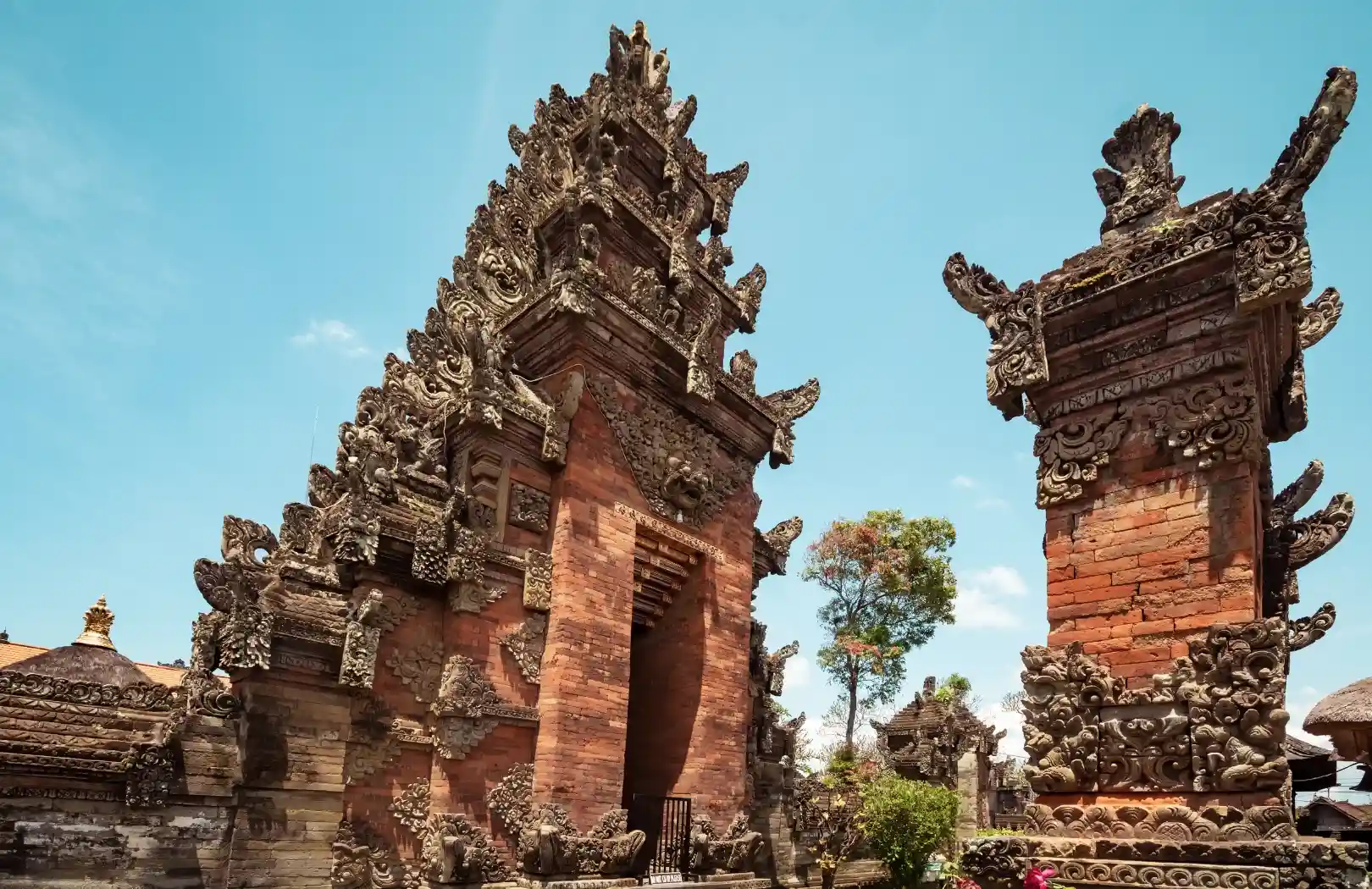
Batuan Temple introduces the architectural and religious side of the journey.
The temple is located in a village known for its cultural traditions and detailed Balinese design. Visitors can observe gateways, courtyards, stonework, shrines, and the spatial arrangement commonly found within a Balinese temple complex.
This is not simply a decorative photo location. It remains a place connected to worship and community life, so clothing and behavior matter.
Visitors should follow the latest temple rules, wear the required sarong or sash when applicable, and avoid entering restricted areas. Ceremonies, prayer activities, and local offerings should be treated respectfully.
Batuan Temple works well as an early stop because it gives travelers a visual introduction to Balinese temple architecture before the route reaches Tirta Empul and Gunung Kawi Sebatu.
Instead of treating every temple as identical, pay attention to how the atmosphere, layout, water elements, and surrounding environment change throughout the day.
Continue to Celuk Village

Celuk Village adds a local craftsmanship element to the route.
The village is widely associated with silver and gold work, giving travelers an opportunity to see another side of Balinese culture beyond temples and landscapes. Depending on the confirmed stop, guests may visit a workshop, gallery, or local business connected to the village’s craft tradition.
The exact demonstration, workshop access, and shopping arrangement should be confirmed before departure. Not every visit will include the same activities.
Travelers should also understand that purchasing jewelry or other products should remain optional. The value of the stop comes from learning about local craftsmanship and seeing how detailed pieces are produced, not from feeling pressured to buy something.
Celuk Village helps break up the temple-focused sections of the itinerary. It connects culture with living skills and local business rather than presenting Balinese traditions only through historic buildings.
Visit Gunung Kawi Sebatu
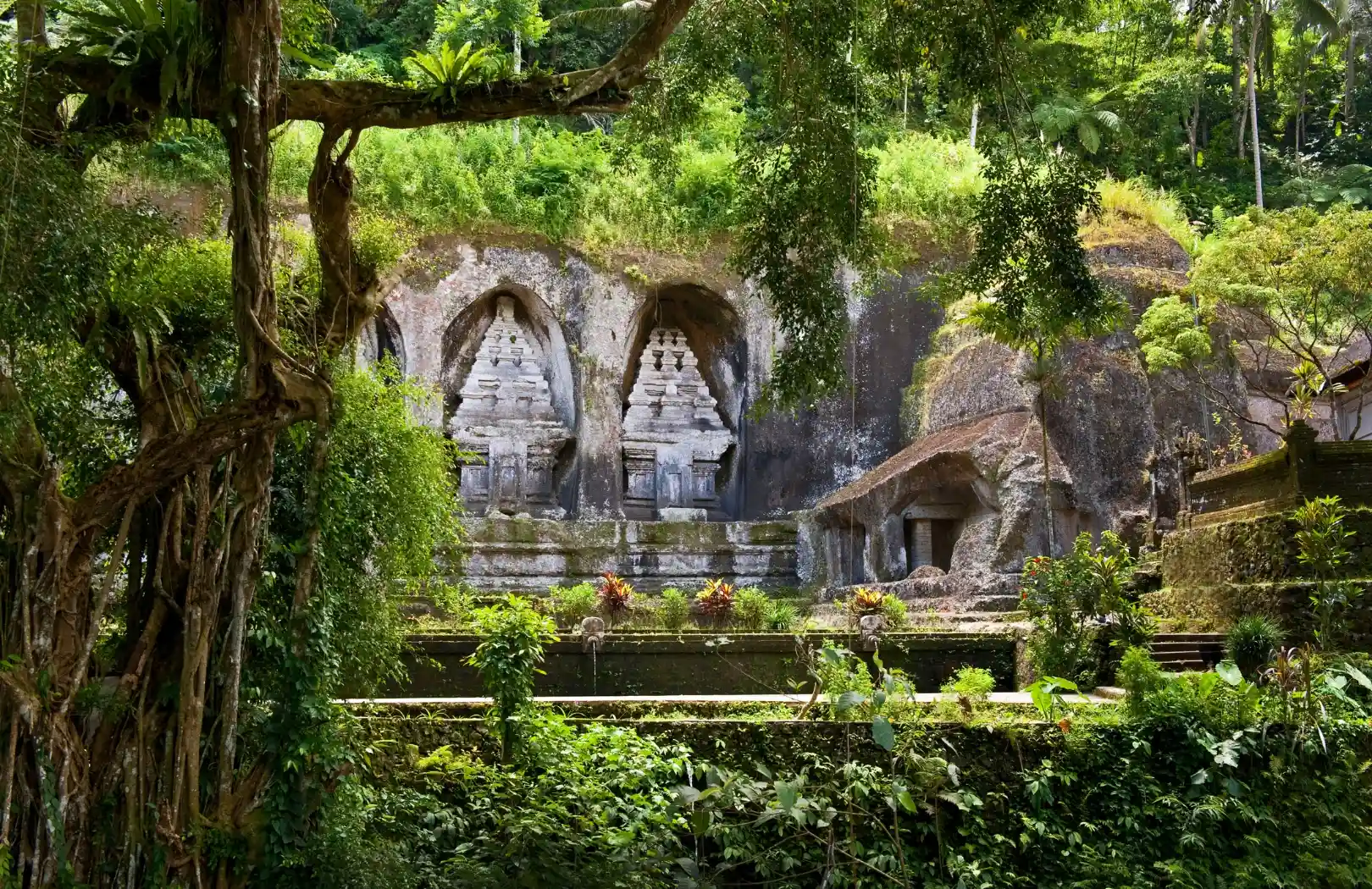
Gunung Kawi Sebatu brings water, vegetation, and temple architecture into one setting.
The temple complex is known for its pools, water features, stone structures, and green surroundings. Its atmosphere feels different from the village setting of Batuan Temple and the busier experience visitors may encounter at Tirta Empul.
This stop gives travelers time to observe how water appears within Balinese religious spaces before reaching the main Tirta Empul tour experience.
Visitors should continue following temple etiquette throughout the visit. Speak at an appropriate volume, avoid stepping over offerings, and follow instructions regarding areas that are open or restricted.
The temple should not automatically be described as ancient unless the historical wording has been verified. Copy should focus on what travelers can responsibly observe: architecture, water elements, courtyards, religious activity, and the surrounding environment.
Current opening hours, entrance fees, dress requirements, and access rules should be checked before publication or booking.
Experience Tirta Empul Temple Respectfully
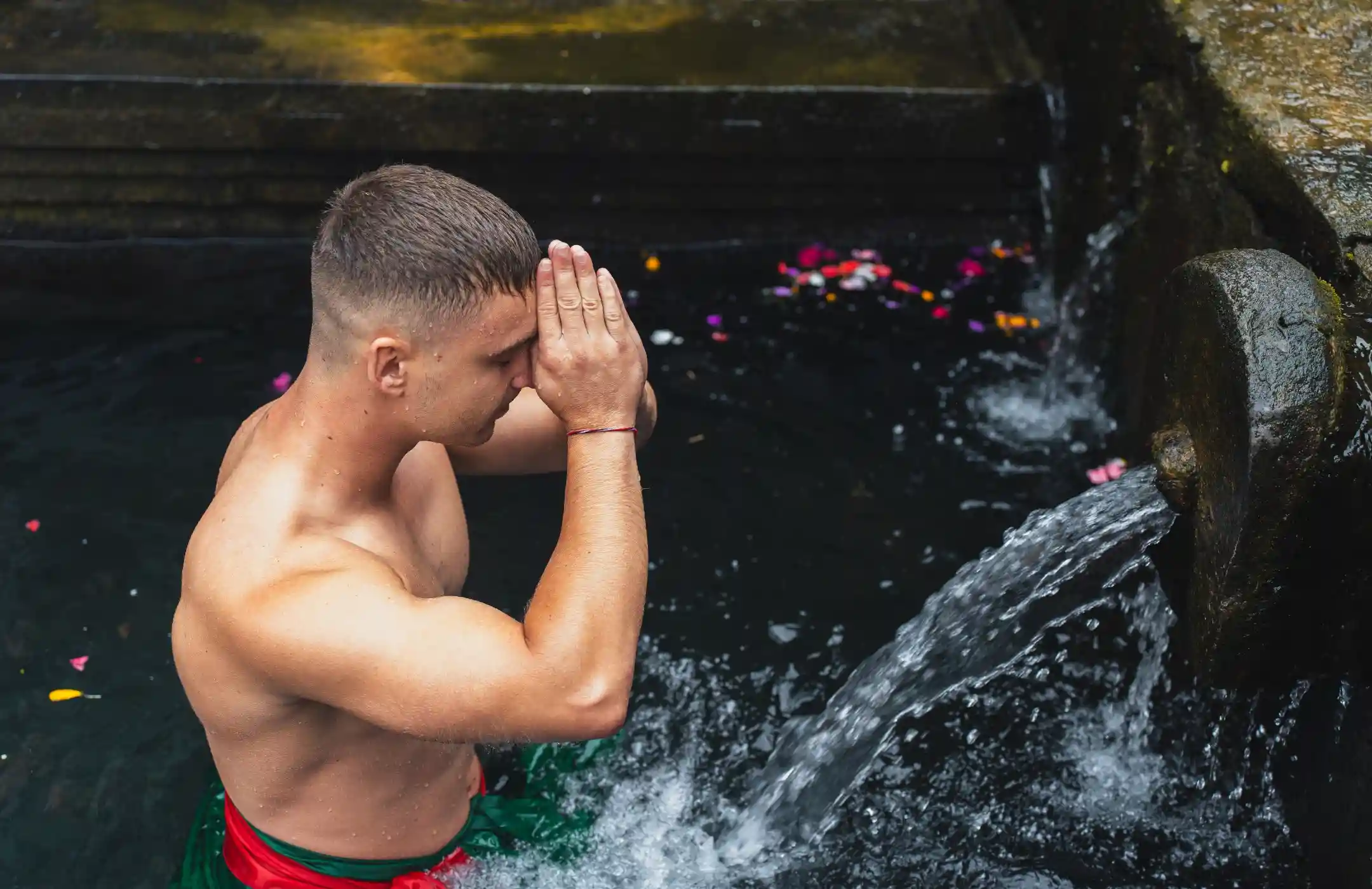
Tirta Empul is the main cultural experience on this route.
The temple is associated with sacred spring water and purification practices. Visitors may see worshippers and other guests participating in water-based rituals within designated areas.
A purification ritual should never be presented as entertainment or a guaranteed path to healing, luck, cleansing, or personal transformation. For Balinese Hindus, the temple and its water have religious meaning that deserves respectful treatment.
Participation should also not be described as compulsory. Some travelers may choose to observe, while others may participate after understanding the current rules and receiving appropriate guidance.
Before joining, visitors should confirm:
- Whether participation is available on the selected date
- Which fountains or areas may be used
- Required clothing
- Sarong arrangements
- Locker or changing facilities
- Temple entrance fees
- Any additional participation requirements
- Guidance provided by the selected package
- Current rules during ceremonies or busy periods
Guests should avoid copying actions without understanding the correct sequence or context. Follow local instructions rather than relying only on social media videos.
Photography should also be handled carefully. Do not interrupt worship, stand in restricted areas, or treat participants as part of a staged background.
A respectful Tirta Empul tour allows visitors to learn about the setting without making promises about what they will feel afterward. The experience may be personally meaningful, but the outcome is individual and cannot be guaranteed by a tour operator.
Take a Scenic Break in Ubud
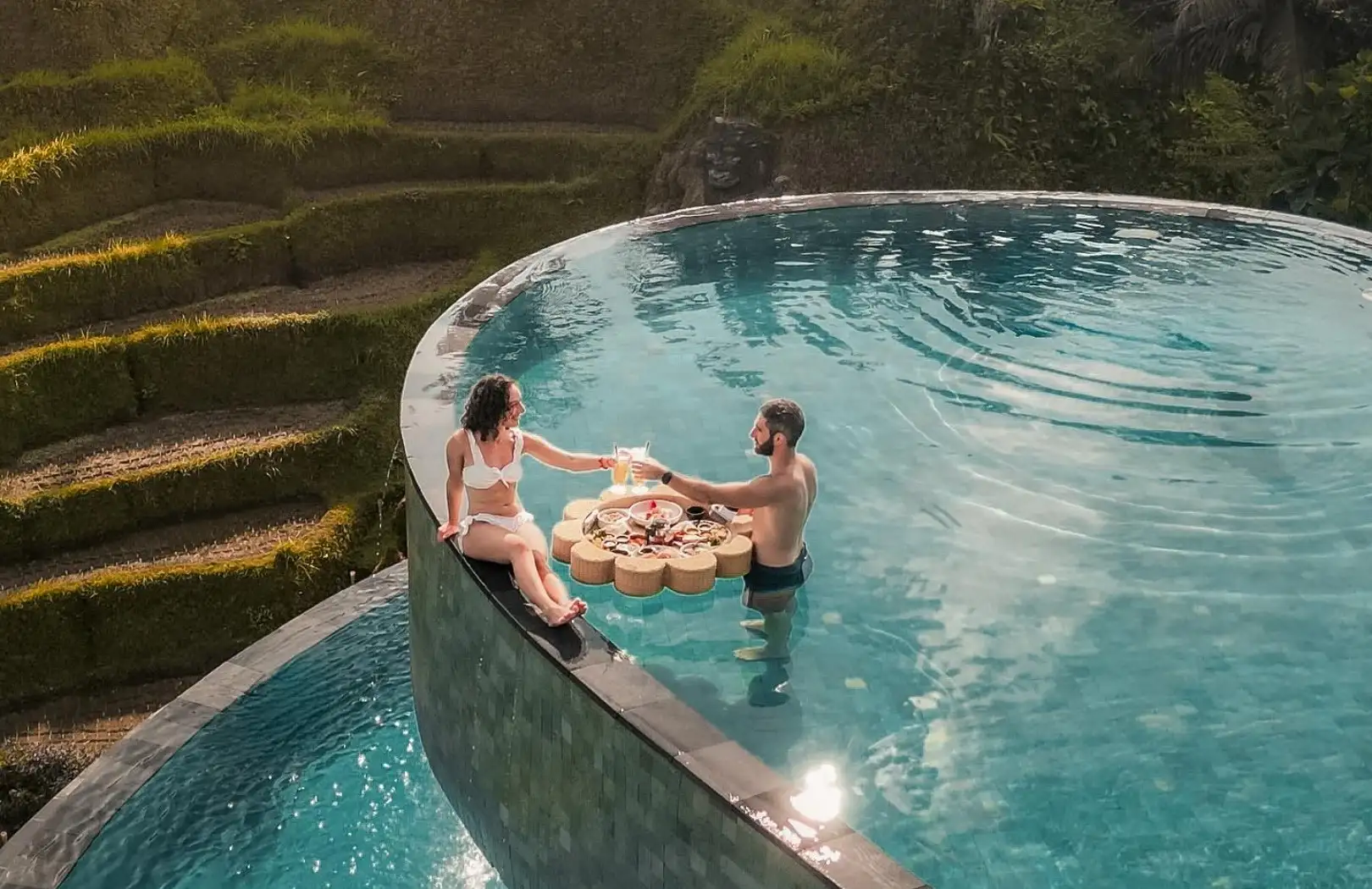
The route may also include Cretya Ubud as a scenic stop.
This section introduces a more contemporary Ubud setting and creates a pause between the temple visits and the waterfall experience. Depending on the confirmed package, guests may have access to selected areas, views, dining facilities, or other experiences available at the venue.
The exact entrance inclusion, access conditions, facilities, and time allowed must be confirmed before the article is published.
This stop should not dominate the cultural direction of the tour. Its role is to add visual variety and give travelers a different perspective on the Ubud area before continuing toward Tegenungan Waterfall.
Any food, drinks, activities, or optional access fees should be explained clearly. Based on current package information, lunch should not automatically be described as included.
Finish at Tegenungan Waterfall
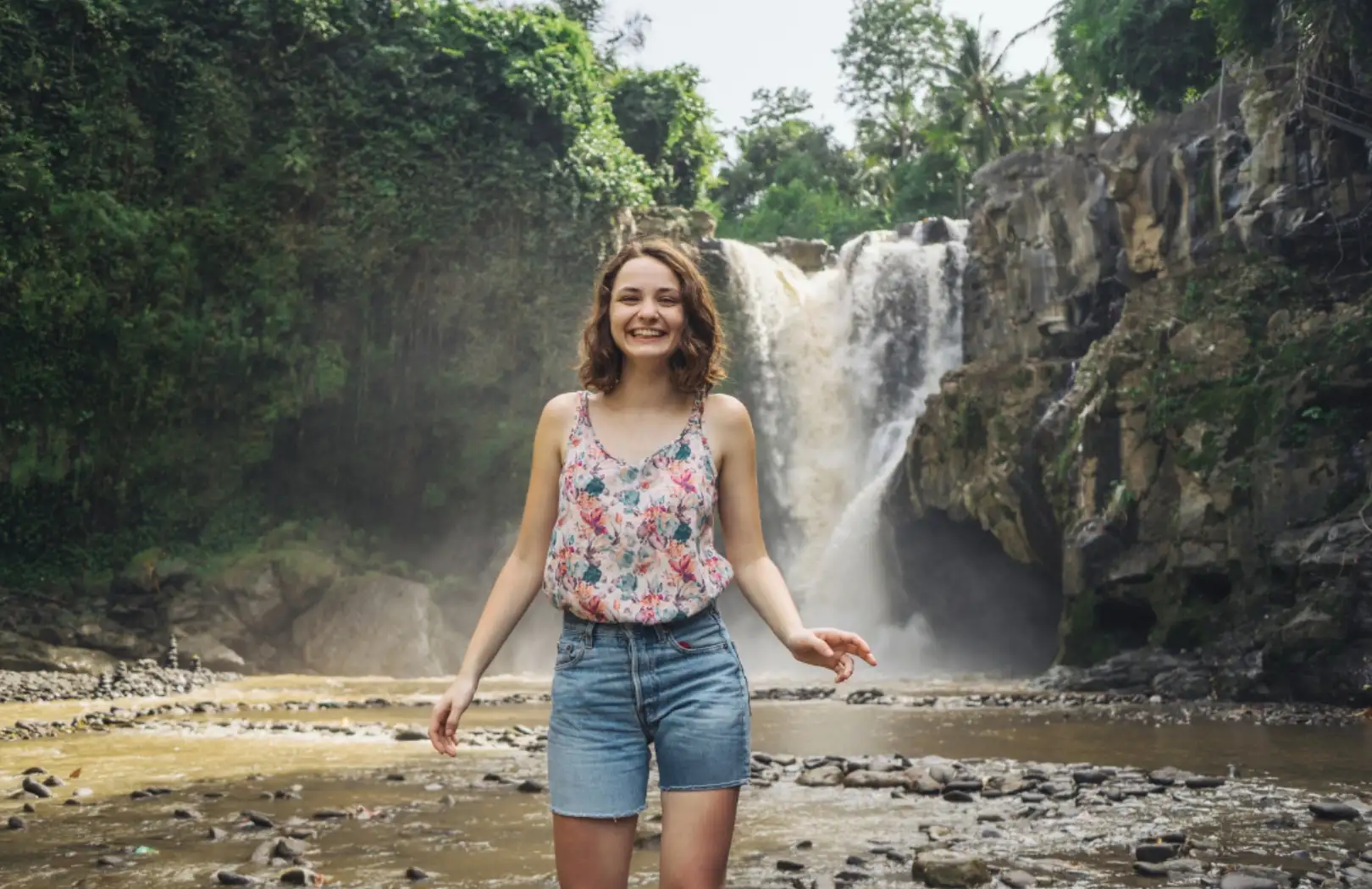
Tegenungan Waterfall gives the day a more active nature finish.
After visiting temples and a craft village, travelers move into a waterfall setting with walking paths, viewpoints, vegetation, and access toward the water area, depending on current conditions.
A Ubud waterfall tour should prepare guests for more than a roadside viewpoint. There may be steps, humid conditions, wet surfaces, and areas that become slippery after rain.
Useful items include:
- Comfortable walking shoes
- Water-friendly footwear
- A change of clothes
- A towel
- Drinking water
- Sunscreen
- Waterproof phone protection
- A dry bag for valuables
Waterfall flow, access, and water conditions depend on rainfall, weather, maintenance, and local operational decisions. The appearance of Tegenungan Waterfall cannot be guaranteed to match a particular photograph.
Visitors should follow current safety instructions and avoid climbing onto restricted rocks or entering areas where access is not recommended.
The waterfall completes the nature-and-culture balance of the route. The day does not end with another temple or indoor stop. Instead, guests finish with a greener and more physical experience.
Why These Stops Work in One Route
This itinerary works because every stop contributes a different layer.
Batuan Temple introduces Balinese religious architecture. Celuk Village brings living craftsmanship into the journey. Gunung Kawi Sebatu adds water features and a green temple environment. Tirta Empul provides deeper cultural context around sacred water traditions. The scenic Ubud stop adds a contemporary contrast, while Tegenungan Waterfall completes the day with nature.
Together, the stops create more than a basic sightseeing checklist.
The route may suit:
- First-time visitors who want greater cultural context
- Couples interested in culture and nature
- Travelers who want more than photo-focused Ubud attractions
- Small groups using private transportation
- Visitors interested in temples and local traditions
- Travelers comfortable with walking and waterfall conditions
Guests who prefer a very slow temple visit may need to reduce the number of stops. Trying to spend several hours at every location would make the full route difficult to complete.
How Private Transportation Supports the Day
Private transportation connects the temples, village, scenic venue, and waterfall without requiring travelers to arrange separate rides.
Hotel pickup, transport between stops, and return transfer may be coordinated through the selected package, subject to the confirmed pickup area.
A private vehicle also means guests are not following a crowded group-tour schedule or waiting for unrelated passengers. The pace can consider the group’s needs more closely, although changes still depend on traffic, opening hours, weather, ticket availability, and route feasibility.
Private does not mean unlimited customization. Adding another destination may require removing an existing stop or reducing the time available elsewhere.
The selected package may include an English-speaking driver or guide. These roles should be confirmed before booking because a driver, driver-guide, and licensed tour guide provide different services.
What to Confirm Before Booking
Before choosing this tour, ask for the latest information about:
- Exact route order
- Pickup area and time
- Temple entrance fees
- Package options
- Guide or driver status
- Tirta Empul participation rules
- Sarong and changing facilities
- Cretya Ubud access
- Lunch exclusion or inclusion
- Tegenungan Waterfall access
- Current temple regulations
- Return-transfer arrangement
Clear information helps travelers understand what they are booking and prevents assumptions about activities or costs.
A More Meaningful Way to Explore Ubud
This route is designed for travelers who want to see more than Ubud’s most photographed surfaces.
Batuan Temple, Celuk Village, Gunung Kawi Sebatu, and Tirta Empul introduce architecture, craftsmanship, religious settings, and sacred-water traditions. Cretya Ubud adds a scenic change of pace, while Tegenungan Waterfall brings the day back into nature.
The experience does not promise spiritual transformation or a specific emotional result. Its value comes from giving travelers a more organized and respectful way to encounter several cultural and natural settings in one private day.
Send Bali Regal Tour your travel date, hotel area, number of guests, and preferred package option to check the latest availability for this Tirta Empul and Ubud waterfall tour.
Latest Article


Why Travelers Trust Bali Regal Tour
Trusted Local Operator
Experienced and reliable, offering the best private and group tours in Bali.
English-Speaking Guides
Friendly local guides who speak fluent English and know Bali inside out.
Customizable Tours
Flexible Bali tour packages tailored to your schedule and interests.
Safe & Hassle-Free
Comfortable transport, clear pricing, and full support from start to finish.